
A walking city. A free tram. A country that takes its weekends seriously.
A capital where finance rubs shoulders with the cobbled lanes of a UNESCO old town. Public transport across Luxembourg has been free since 2020, the first country in the world to do this — the Old Town is small enough to cross on foot in twenty minutes, and the valley below is for the long walks.
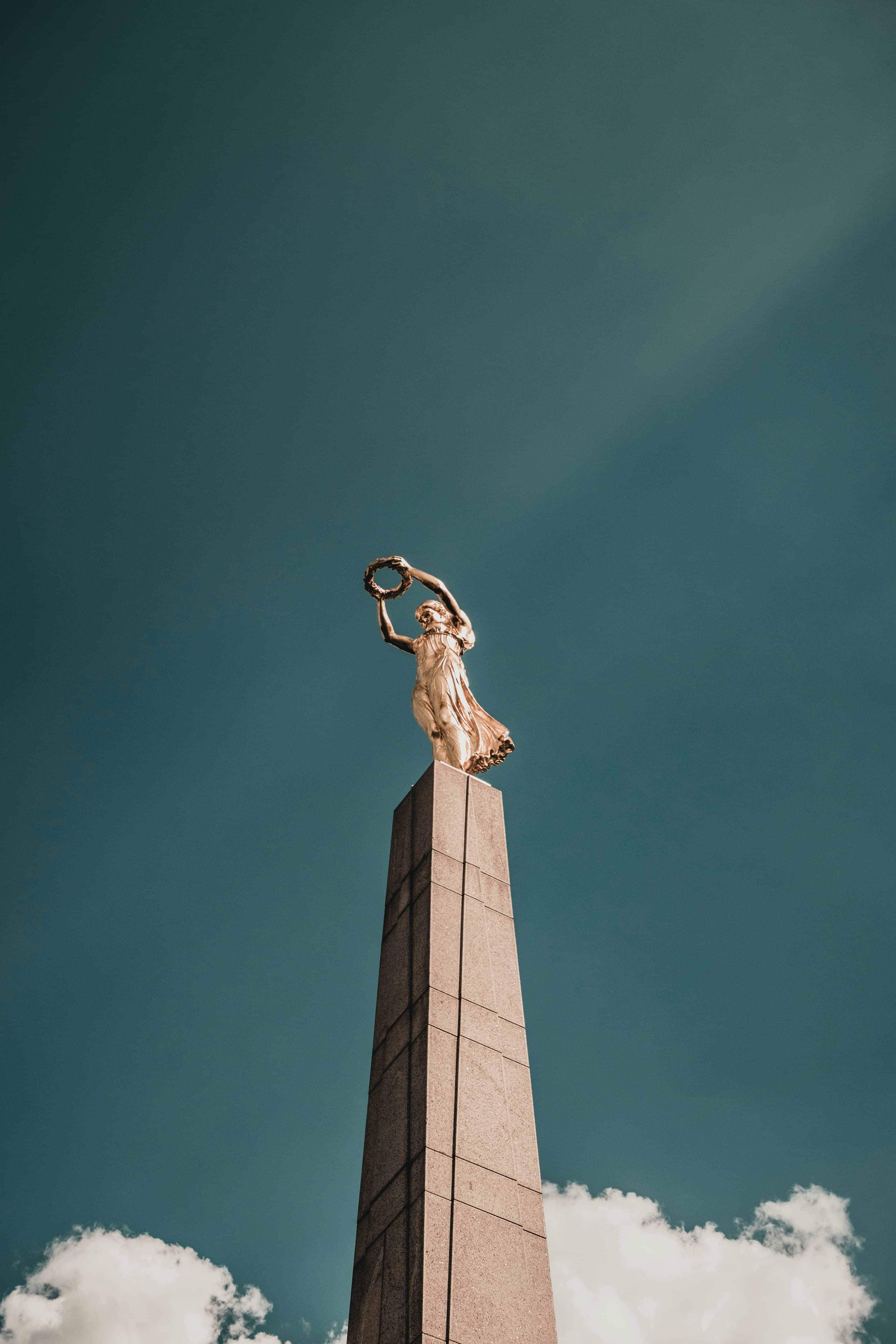
Ville-Haute
The UNESCO old town, on the plateau. Place Guillaume II, the Casemates, the cathedral, the parliament. This is where Relais Louvigny and Guillaume Suites sit.
Read the story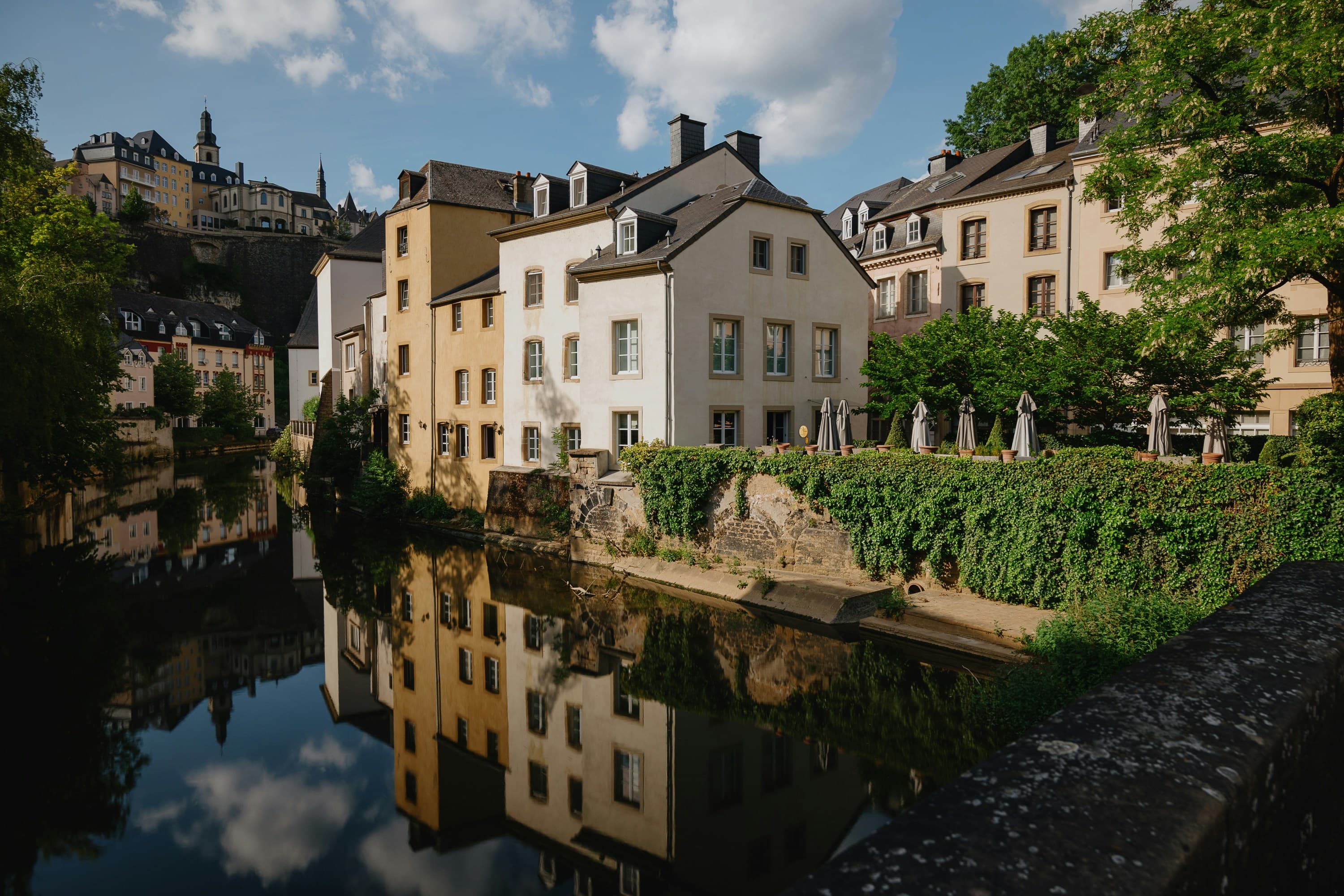
Grund
The medieval valley below the old town. The Alzette runs through it, the bistros stay open late, the old brewery is now a nightlife quarter.
Read the storyGare
The avenues that radiate out of the central station. Avenue de la Liberté, Rue Glesener, the Place de Paris. Where Résidence Gare and Four Stars Apart Hotel sit.
Read the story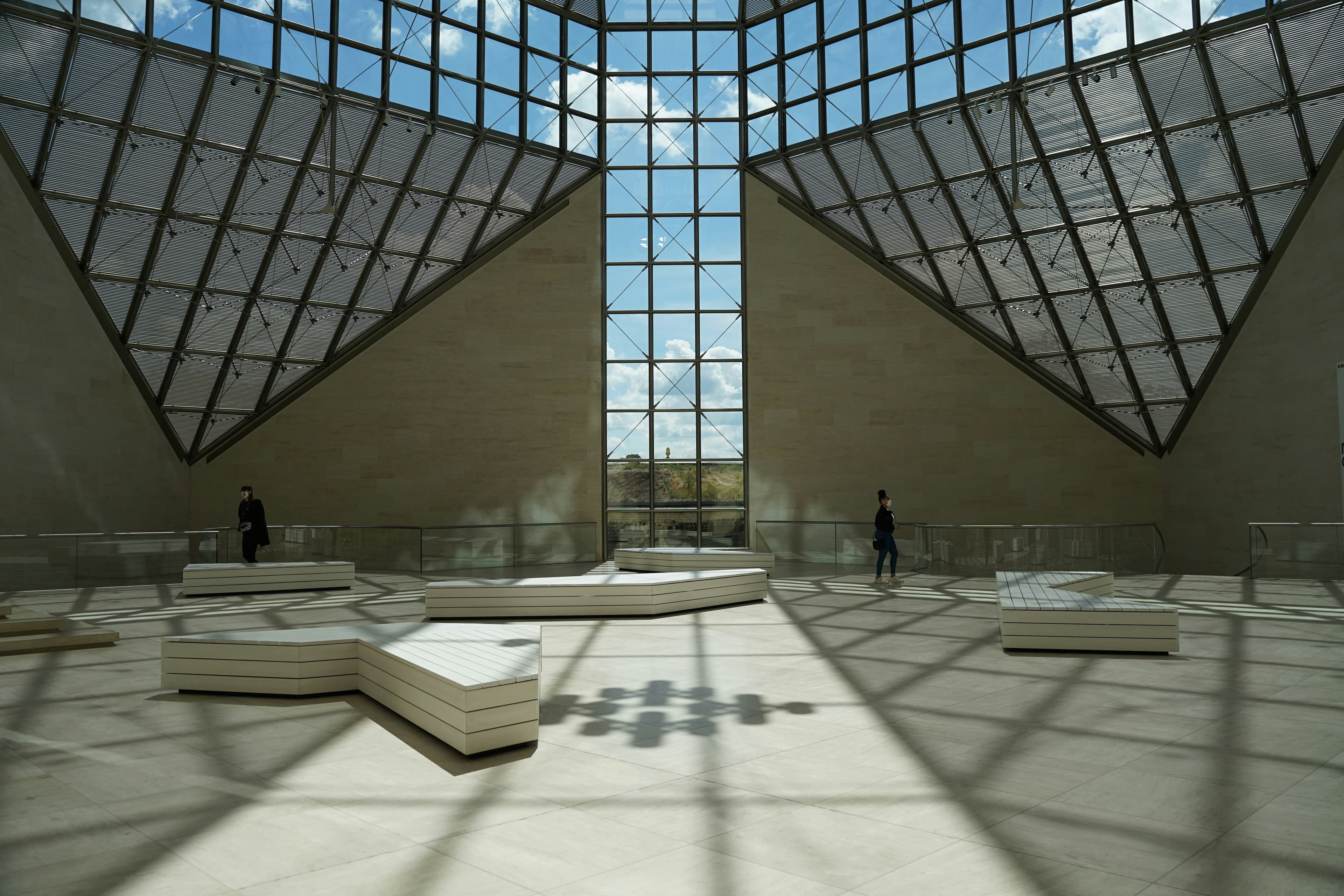
Mudam
The Grand Duke Jean museum of modern art, designed by I. M. Pei, on the Kirchberg plateau — a wing of glass set on the old stones of Fort Thüngen.
Read the story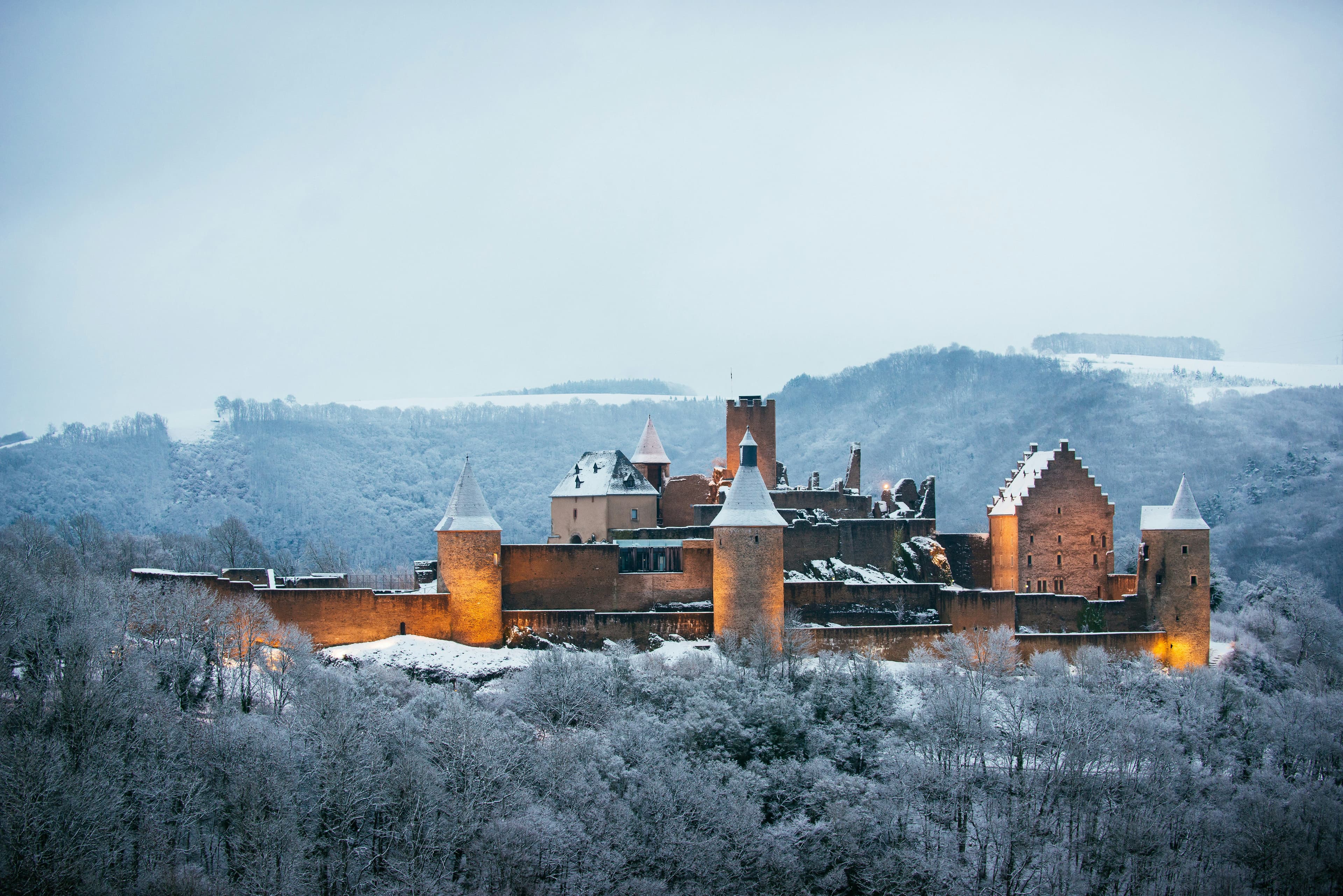
Bourscheid
The largest of the country's medieval castles, set on a spur high above the Sûre. An hour north into the Ardennes for tenth-century ramparts and a view over the whole valley.
Read the story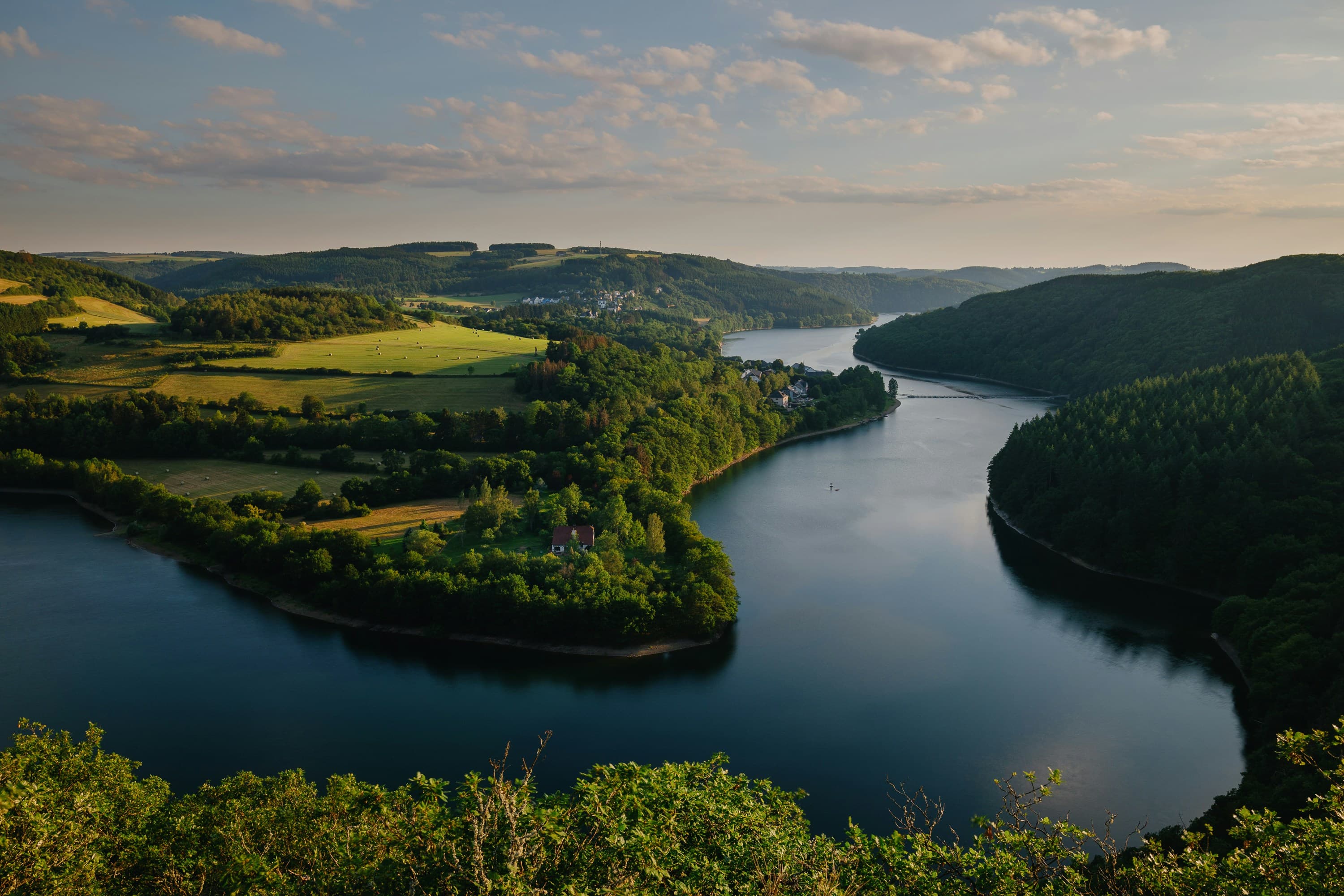
Upper Sûre Lake
The great lake of the north, the country's drinking-water reservoir and the one place you are allowed to swim. Kayaks, sailing and wooded trails, forty minutes from the capital.
Read the storyWhat to see first
- Casemates du Bock and the city walls
- Mudam, on the Kirchberg plateau
- The Bock promontory at sunset
- The Saturday market on Place Guillaume II
Where to eat
- Giallo, our restaurant on Rue de Curé, gastronomic Italian
- Mosconi for fine dining (Grund)
- Brasserie Schuman for the long lunch
- Soup kitchens around Place Guillaume on Saturdays
Practical
- Trains, trams and buses across the country are free
- Tap water is excellent
- Sundays are quiet, most shops closed
- Tipping: round up, no need for more